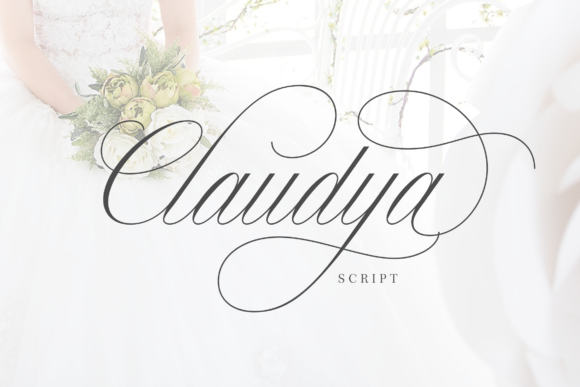
Claudya: A Feminine Script Font for Editorial Design
In the crowded landscape of digital publishing, selecting the right typeface is not merely an aesthetic choice; it is a strategic decision that dictates how readers perceive your brand voice. Claudya emerges as a standout option among modern Fonts, specifically designed for creators who value elegance and personality. As a Script Handwritten typeface, it bridges the gap between traditional calligraphy and contemporary digital design, offering a versatile tool for bloggers, magazine editors, and independent publishers looking to elevate their visual hierarchy.
Elevating Blog Headers and Magazine Covers with Claudya
When designing for high-impact areas such as blog headers or magazine covers, the primary goal is to capture attention within seconds. Claudya excels in this role because it possesses a distinctively beautiful and feminine character that immediately sets a tone of sophistication and warmth. Unlike rigid geometric sans serif fonts that can feel cold or corporate, this script font introduces a human touch that resonates deeply with audiences in lifestyle, fashion, wellness, and creative industries. The fluid strokes of Claudya mimic natural handwriting, creating an instant emotional connection with the reader before they even engage with the body copy.
For editorial designers, the challenge often lies in balancing artistic flair with legibility. Claudya addresses this by maintaining clear letterforms despite its decorative nature. When used for main titles on a digital magazine cover or the hero section of a blog post, it acts as a powerful anchor. It draws the eye and establishes the mood—whether that is romantic, inviting, or chic. By integrating Claudya into your header designs, you transform standard text into a visual asset that reinforces your publication’s identity, making your content instantly recognizable in a sea of generic templates.
Leveraging Alternate Characters for Unique Layouts
One of the most significant advantages of using premium Fonts like Claudya is the inclusion of alternate characters. This feature is crucial for editorial designers who strive for variety and uniqueness in their layouts. Standard fonts often result in repetitive visual patterns, especially when the same letters appear frequently in headlines. However, Claudya is equipped with a robust set of alternates, allowing you to swap out specific glyphs to create custom ligatures or avoid awkward spacing combinations. This capability makes the possibilities of design more varied and unique, ensuring that no two headlines look exactly the same.
For instance, when designing chapter openers for an ebook or section dividers in a newsletter, you can use different alternates of Claudya to add subtle visual interest without changing the overall brand consistency. This level of customization is particularly valuable for creators producing long-form content, such as guides or workbooks, where maintaining reader engagement over many pages is essential. By manually selecting alternates, you can tailor the flow of the text to fit specific design constraints, ensuring that the script feels organic and bespoke rather than mechanically generated. This attention to detail signals quality to your audience, enhancing the perceived value of your digital products.
Enhancing Reader Engagement Through Quote Graphics
Social media graphics and pull quotes are vital tools for modern content marketing, serving as shareable assets that drive traffic back to your primary content. Claudya is ideally suited for these applications due to its expressive and decorative nature. When paired with a clean, readable serif font or a minimal sans serif font for the attribution, Claudya turns a simple quote into a piece of art. The contrast between the flowing script and the structured body text creates a dynamic visual hierarchy that guides the reader’s eye naturally through the composition.
Consider a lifestyle blogger sharing a motivational quote from their latest article. Using Claudya for the main message adds emphasis and emotion, while the surrounding whitespace allows the typography to breathe. This approach works equally well for printable materials, such as worksheets or lead magnets, where visual appeal can significantly increase download rates. The feminine and elegant aesthetic of Claudya aligns perfectly with niches that prioritize self-care, creativity, and personal growth. By consistently using this script font for highlight moments in your content, you build a cohesive brand language that readers associate with quality and care.
Practical Font Pairing Strategies for Editorial Consistency
While Claudya is a stunning display font, it is not intended for long paragraphs of body text. To maximize its effectiveness in editorial design, it must be paired with highly legible supporting typefaces. A classic combination involves pairing Claudya with a traditional serif font for ebook bodies or magazine articles. The serif font provides stability and readability for extended reading sessions, while Claudya adds flair to headings, subheadings, and captions. Alternatively, for a more modern and clean look, pair it with a geometric sans serif font. This combination works exceptionally well for digital newsletters and web-based guides, where screen readability is paramount.
When implementing these pairings, consider the weight and scale of each font. Since Claudya is a Script Handwritten style, it often appears lighter or more delicate than bold sans serifs. Ensure there is sufficient contrast in size and weight to maintain clarity. For example, use Claudya at a larger point size for H1 and H2 headers, while keeping body text in a neutral, easy-to-read font at a comfortable size for mobile and desktop viewing. This strategic use of typography ensures that your content remains accessible while still benefiting from the unique personality of Claudya.
Commercial Licensing and Brand Identity Applications
For professional publishers and content creators, understanding licensing is as important as understanding design. Claudya is a commercial font, meaning it can be used in a wide range of monetized projects, including client publications, paid newsletters, printable planners, and digital downloads. Incorporating Claudya into your brand identity extends beyond just headers; it can be used for logo design, packaging design, and social media branding. Its versatility allows it to adapt to various mediums, from web design elements to printed merchandise, ensuring a consistent visual experience across all touchpoints.
By investing in a high-quality script font like Claudya, you are investing in the longevity and professionalism of your brand. The ability to create varied and unique designs through its alternate characters means your visual assets will remain fresh and engaging over time. Whether you are designing a wedding guide, a coaching workbook, or a monthly digital magazine, Claudya provides the elegant, feminine touch that helps your content stand out. Embrace the potential of this typeface to transform your editorial projects into compelling visual stories that resonate with your audience and drive meaningful engagement.