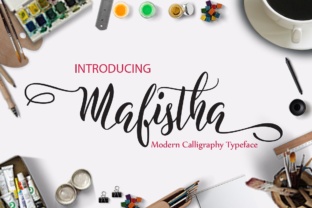
Mafistha: The Handcrafted Script Font for Makers
There is a specific kind of quiet satisfaction that comes from watching a design come together on my screen, especially when I am preparing a new batch of candle labels for my weekend market stall. I had been struggling to find the right balance between rustic charm and modern elegance for my soy wax collection until I discovered Mafistha. As a maker who relies heavily on high-quality Script Handwritten typography to convey the handmade nature of my goods, finding the right typeface is never just about aesthetics; it is about communication. Mafistha is a beautiful handcrafted calligraphy script, both classic and modern, and it immediately transformed the way my product packaging looked. This font does not just sit on the label; it invites the customer in, suggesting that the item inside was crafted with care and attention to detail.
Using Mafistha for Elegant Candle Labels and Boutique Packaging
When I first loaded Mafistha into my design software, I was struck by how naturally it flowed. For candle labels, readability is key, but so is mood. I needed a font that could handle the short, punchy scent names like "Lavender Mist" or "Spiced Amber" while maintaining an air of sophistication. Because Mafistha is a perfect signature or headline font, it excels in these short-form applications. I used it for the primary scent title, pairing it with a clean, minimal sans serif font for the ingredient list and burn instructions. This contrast is crucial in packaging design; the script draws the eye, while the secondary font provides the necessary information without cluttering the visual hierarchy. The endless ligature and glyph options allowed me to customize the look for each label, ensuring that no two designs felt exactly the same, which is a huge selling point for boutique branding.
Creating Cohesive Brand Identity with Script Handwritten Fonts
Consistency is the backbone of any successful handmade business. Whether I am designing thank-you cards, shipping labels, or social media graphics, using the same core typography helps build brand recognition. Mafistha has become the cornerstone of my visual identity. Its versatility means I can use it across various mediums without it feeling out of place. On my printed thank-you cards, I use a larger point size with generous spacing to create a warm, personal greeting. For smaller stickers and seals on my packaging, I scale it down carefully. One thing I have learned about using Script Handwritten fonts on small items is that you must respect the x-height and the flow of the letters. Mafistha holds up surprisingly well at smaller sizes because its strokes are distinct and not overly intricate, preventing the ink from bleeding together on standard home printers or professional offset runs.
Designing Wedding Invitations and Stationery with Mafistha
Beyond product packaging, I often create custom stationery sets for friends and local clients. Wedding invitations require a delicate touch, and this is where Mafistha truly shines as a premium display font. Couples often want something that feels timeless yet fresh, avoiding the overly curly scripts that dominated the early 2010s. Mafistha strikes that perfect balance between classic calligraphy and modern minimalism. I recently used it for a suite of wedding invitations, placing the couple’s names in a large, sweeping format at the center of the card. The natural connections between the letters mimic genuine handwriting, adding an emotional resonance that rigid digital fonts simply cannot achieve. When paired with a structured serif font for the event details, the result is editorial and refined. This combination elevates the perceived value of the stationery, making it feel like a luxury item rather than a DIY project.
Optimizing Readability for Printables and Digital Downloads
For those of us who sell digital products, such as printable wall art or planner pages, font choice directly impacts customer satisfaction. Buyers need to be able to read the text clearly, even when they print it at home on standard paper. Mafistha is excellent for headings on planner dashboards or inspirational quote prints. However, I always advise fellow creators to test their designs physically before listing them. What looks crisp on a retina display might lose definition when printed on matte cardstock. I recommend using Mafistha for titles and short phrases, keeping body text in a highly legible sans serif or serif font. This approach ensures that the artistic flair of the script enhances the design without compromising functionality. Additionally, checking the included alternates and ligatures can help you avoid awkward spacing issues, ensuring that words like "Love" or "Joy" flow seamlessly without excessive gaps between characters.
Pairing Mafistha with Other Fonts for Maximum Impact
One of the most common questions I receive from other crafters is how to pair script fonts effectively. Mafistha is incredibly forgiving and works well with a wide range of typefaces. For a modern, clean look, I pair it with geometric sans serifs. This combination is popular for contemporary home decor signs and minimalist tote bag designs. If I am aiming for a more traditional or romantic vibe, such as for vintage-style apothecary labels, I pair it with a classic serif font. The key is contrast. Since Mafistha is a flowing, organic script, it needs a partner that provides structure and stability. Avoid pairing it with another script or a overly decorative display font, as this can create visual noise and make the design difficult to read. By keeping the secondary font simple, you allow Mafistha to take center stage, highlighting its beautiful handcrafted qualities.
Licensing and Commercial Use for Handmade Sellers
Before integrating any new typeface into your commercial workflow, it is essential to understand the licensing terms. As a seller of physical goods and digital templates, I always verify that the font license covers commercial use. Mafistha is designed with creators in mind, making it a safe and reliable choice for those looking to monetize their designs. Whether you are printing hundreds of wedding invitations, creating SVG files for cutting machines, or designing logos for client brands, having the correct license protects your business. It also gives you peace of mind, allowing you to focus on the creative process rather than worrying about legal compliance. Remember that different platforms may have different requirements, so always double-check if your intended use—such as embedding the font in a PDF template for resale—is covered under your specific purchase agreement.
In the end, choosing the right font is about more than just trends; it is about finding a tool that amplifies your creative voice. Mafistha has become an indispensable part of my design toolkit, helping me create products that feel personal, polished, and professional. From the first sketch to the final printed label, it adds that essential human touch that customers crave in a handmade world.